
The Molecule Scientists Have Studied for 30 Years. You've Never Heard of It.
BPC-157 is a synthetic peptide that has appeared in over 1,000 peer-reviewed studies since the 1990s. This is what the research says.
For In Vitro Research Applications Only
Scroll to build the BPC-157 sequence
So What Exactly Is BPC-157?
Start here if you've never heard of a peptide before.
A peptide is a short chain of amino acids, the same building blocks that make up every protein in your body. Think of amino acids as LEGO bricks. Proteins are massive, complex structures. Peptides are smaller, simpler chains of those same bricks.
BPC-157stands for Body Protection Compound 157. It's a synthetic peptide, meaning scientists built it in a laboratory. It's made of 15 amino acids arranged in a specific sequence. That sequence is what makes it scientifically interesting.
It was first identified in the 1990s by researchers studying gastric biology. Since then, it has been the subject of hundreds of published papers. It's one of the most-studied synthetic peptides in modern research literature.
What Are Scientists Actually Investigating?
30+ years of published research. Here's what the literature covers.
Since the 1990s, BPC-157 has been examined in hundreds of peer-reviewed studies. We've broken down the main research categories here, with links to published sources so you can read the actual science yourself.
Published Studies
peer-reviewed publications referencing BPC-157 in research literature (PubMed, 2024)
Musculoskeletal Recovery
Multiple research groups have studied BPC-157's interactions with muscle and connective tissue in animal models. Tendon and ligament studies are among the most active areas in the current research literature.
View Published Studies →GI Protection
BPC-157 was originally identified in research examining gastric biology. It remains one of the most studied compounds in gastrointestinal research literature for its cytoprotective properties in laboratory models.
View Published Studies →Neurological Research
BPC-157 has been examined in the context of neurological biology and growth hormone receptor interaction in preclinical settings. Dopamine and serotonin system interactions are an emerging area of scientific investigation.
View Published Studies →Cardiovascular Models
Research has investigated how BPC-157 interacts with vascular biology, including VEGF and angiogenesis-related pathways. Studied exclusively in animal models and cell culture settings.
View Published Studies →Skin & Wound Healing
Tissue repair models have been a consistent subject of BPC-157 research. Scientists have investigated its properties in wound biology and skin tissue research across multiple published studies.
View Published Studies →Systemic Tolerance
"Cytoprotective" describes a substance that appears to help cells survive stress conditions in laboratory settings. BPC-157's systemic tolerance has been consistently reported. No toxicity observed in the preclinical literature.
View Published Studies →30 Years. Hundreds of Studies. One Consistent Subject.
Here's how the BPC-157 research literature has evolved.
BPC-157 isn't a new discovery hyped on social media. It's been in research journals since 1993. Here's a timeline of major milestones in the published research record.
BPC-157 first isolated from human gastric juice at University of Zagreb
Sikiric et al., early gastric research
First published GI protection studies. Consistent results in ulceration models
Journal of Physiology, Paris
Research expands to musculoskeletal models. Tendon and ligament studies begin
Achilles tendon transection model shows significant healing differences
Neurological research begins. Dopamine system studies published
Systematic review of 20 years of preclinical evidence published
Growth hormone receptor research adds new mechanism pathway
Over 1,000 published studies in peer-reviewed literature
Want to read the primary research? Every product listing includes direct PubMed citation links.
View BPC-157 Product Page →Not All Research Peptides Are the Same.
Purity. Verification. Transparency. Here's what we test for, and how you can verify it yourself.
When you order a research compound, you need to know exactly what you're getting. Impurities change experimental outcomes. Inconsistent purity means inconsistent data. This is why testing isn't optional. It's the foundation of good research.
Every batch of BPC-157 from Blackwell Biolabs is independently verified by a certified third-party laboratory before it ships. We test for purity, identity, sterility, and endotoxin levels. You don't have to take our word for it; every Certificate of Analysis is publicly available.
% Minimum Purity
peer-reviewed publications referencing BPC-157 in research literature (PubMed, 2024)
Verified by HPLC (high-performance liquid chromatography), the gold standard analytical method for peptide purity assessment. Every batch. No exceptions.
Third-Party Tested
Independent laboratory analysis, not self-reported. COA (Certificate of Analysis) documents the exact test results, test method, and testing lab name and accreditation.
Mass Spectrometry ID
Synthesized in the United States and independently verified by third-party HPLC and mass spectrometry on every batch, confirming molecular identity and purity before release.
Lyophilized Powder
Bacterial endotoxin testing via LAL (Limulus Amebocyte Lysate) assay. Lyophilized powder format ensures maximum stability and shelf life for research applications.
Independent Testing. No Compromises.
Certificates of Analysis: Available for Every Batch
Our COAs include: HPLC chromatogram · Purity percentage · Molecular weight confirmation · Batch number · Testing date · Independent lab name and accreditation number
Explore the Research Catalog
BPC-157 is the most studied compound in our catalog. Researchers often explore it alongside complementary compounds.
Our research catalog is built for serious researchers who need reliable, verified compounds. Below is a selection of our most-studied peptides, each with full third-party COAs and published research references.
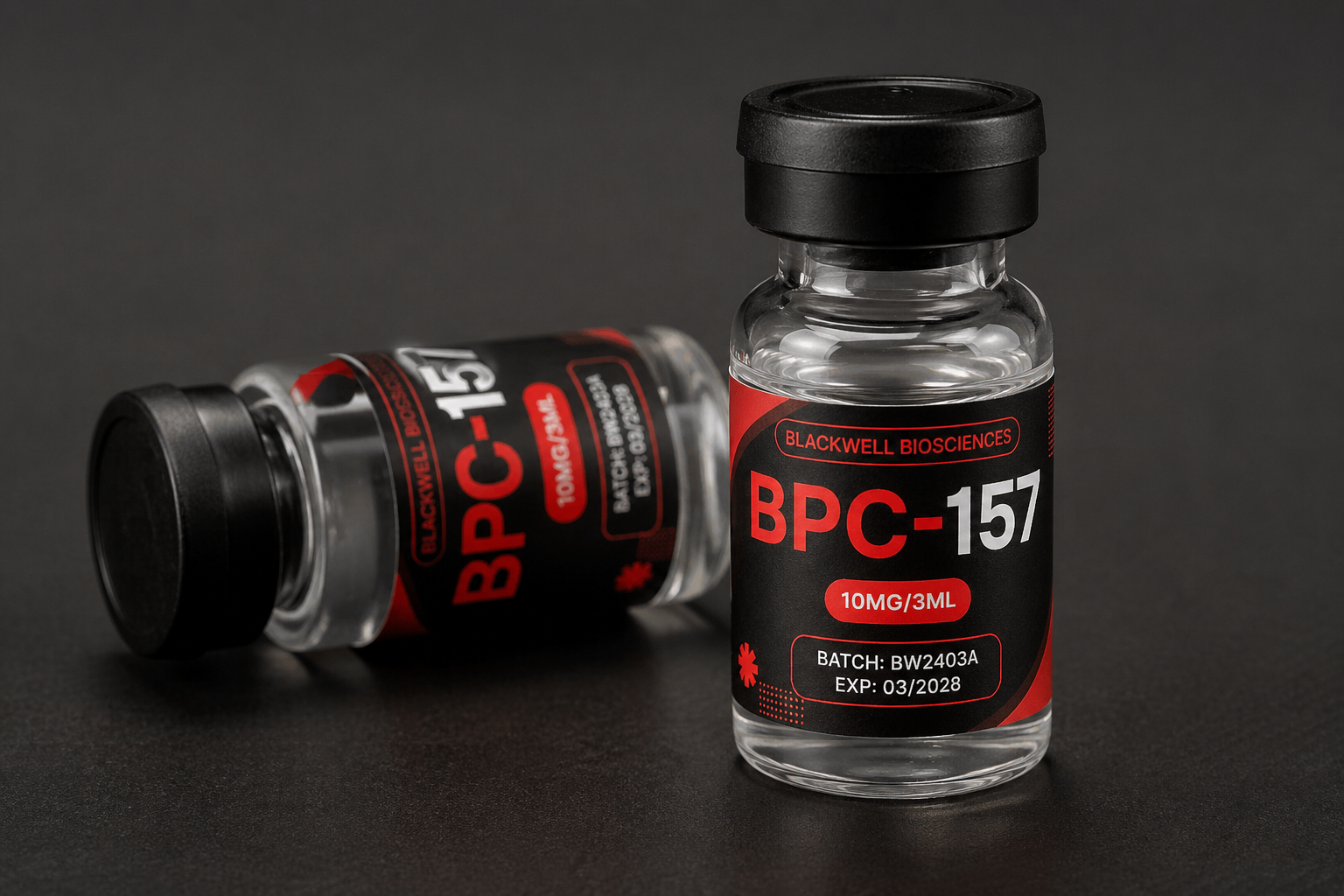
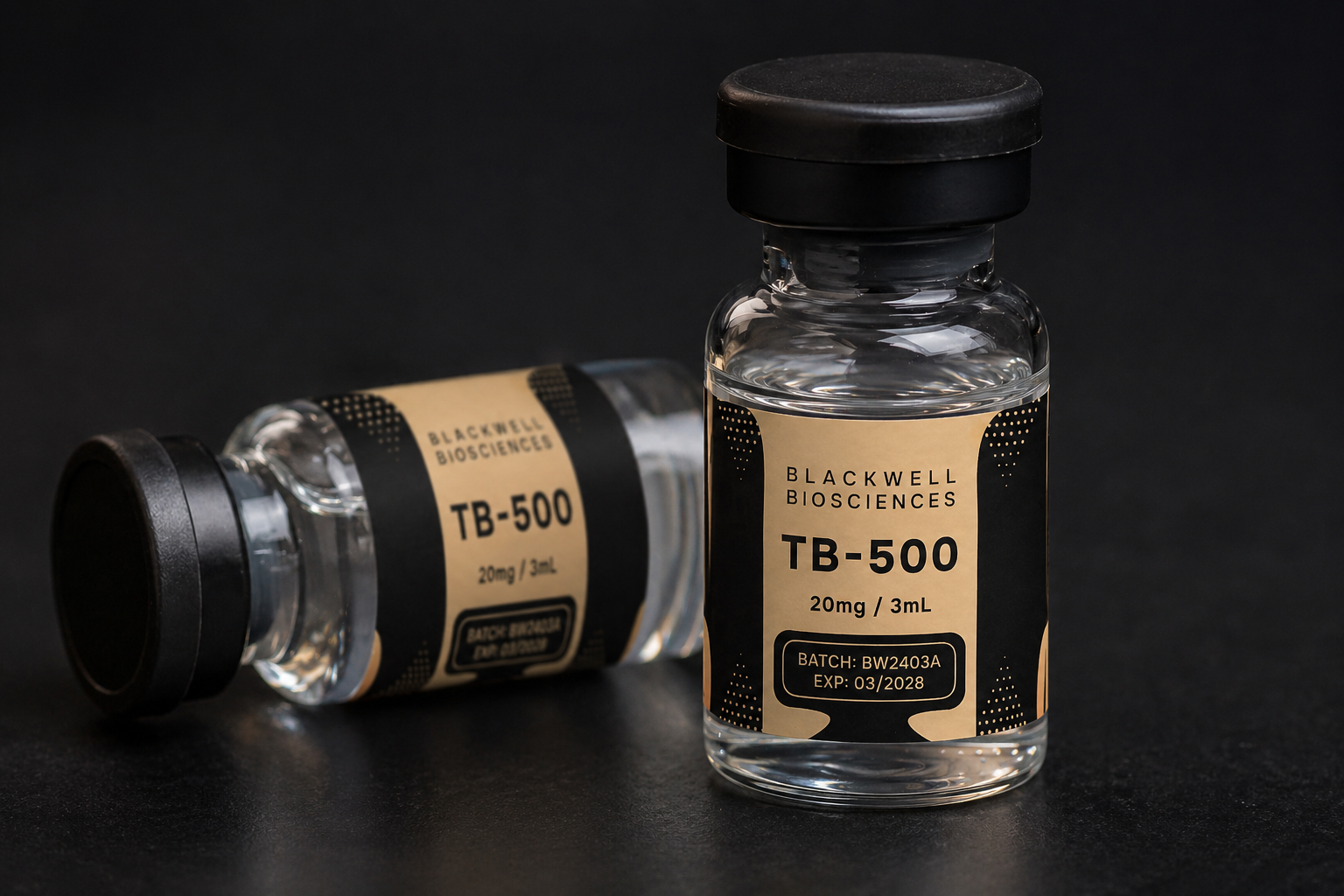
TB-500
Synthetic analogue studied alongside BPC-157
Researchers studying musculoskeletal biology frequently examine TB-500 and BPC-157 together. TB-500 is a synthetic analogue of Thymosin Beta-4, a naturally occurring peptide studied for its biological properties.
View Product →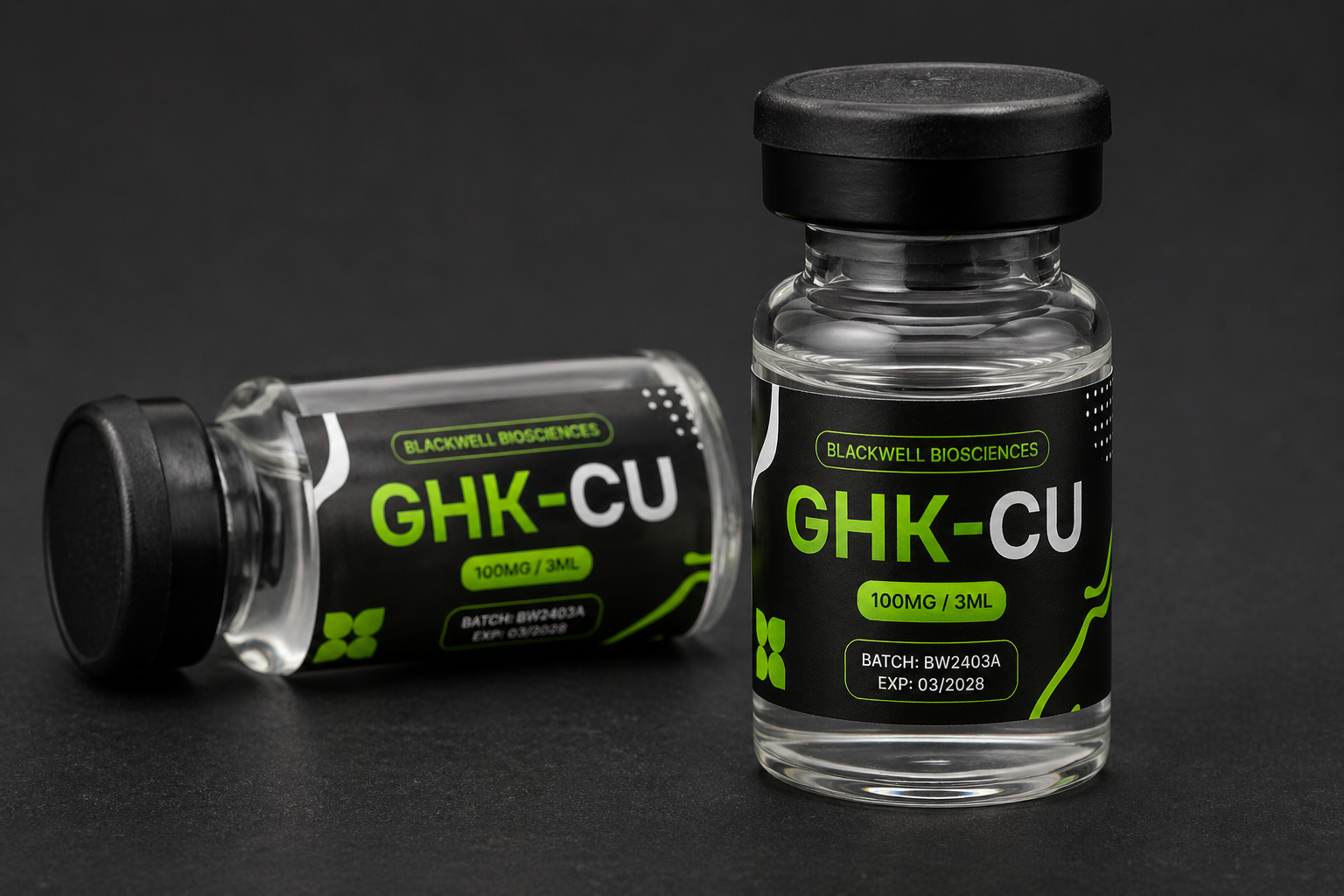
GHK-Cu
Skin biology and cellular research
GHK-Cu is a naturally occurring copper-binding peptide studied in the context of skin biology, wound biology, and cellular signaling. A common subject in dermatological research literature.
View Product →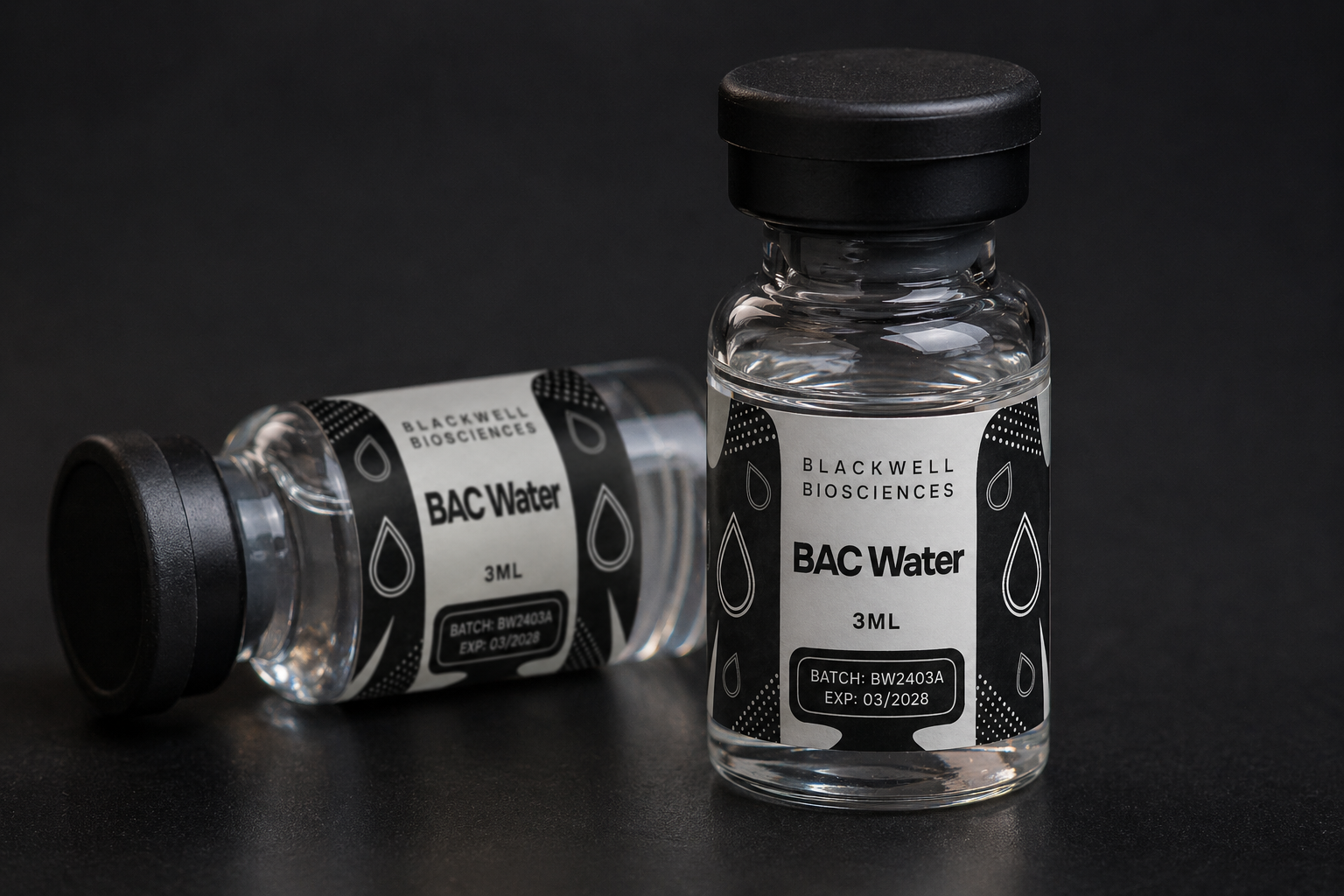
Bacteriostatic Water
Required for research sample preparation
Bacteriostatic water is the standard preparation medium for peptide research samples. An essential research supply for in vitro peptide research applications.
View Product →Working With a Physician on Your Research Protocol?
Some researchers work alongside licensed medical professionals. We make that connection easy.
The science of hormonal health optimization has advanced significantly over the past two decades. More medical professionals now offer evidence-informed, physician-supervised approaches to hormonal wellness.
Our clinical consultation team connects you with licensed professionals who specialize in this space. The initial eligibility review is free, no commitment, no pressure. Just an informed conversation with someone who understands the science.
This is not a replacement for your primary care physician. It's a resource for those who want to explore physician-supervised hormonal health pathways with professionals who are current on the research.
Speak with a licensed professional. No commitment required.
Sourcing Inquiries
Questions about quality standards, COAs, or procurement? +1 (808) 644-0634 · Text or call